Every 3PL evaluation starts the same way: three providers, three rate cards, a spreadsheet comparing pick fees and storage rates. Then the brand picks the middle one and finds out over the following six months what it actually bought.
Rate cards are comparable and therefore comfortable. They are also the part of a fulfilment relationship least likely to determine whether it works. What follows are the questions that surface how a warehouse genuinely operates — asked in the order we would ask them.
About receiving
Receiving is where most fulfilment relationships go wrong first, and it is almost never discussed during a sales process.
- How long from container or pallet arrival to inventory being sellable? Ask for a typical figure and a peak-season figure. The gap between them is the answer you actually want.
- What happens when what arrives does not match the ASN? Listen for whether there is a defined process or whether it becomes an email thread.
- Do you require booked appointments for inbound? A yes is a good sign. It means they manage dock capacity rather than absorbing it.
About accuracy, and how it is measured
Every 3PL will tell you their pick accuracy is 99.8%. The number is close to meaningless without knowing how it is calculated.
- Is that measured per line, per order, or per unit? These produce very different figures from the same underlying performance. Per-unit accuracy flatters multi-item orders considerably.
- Does it count errors you caught internally, or only errors the customer reported? Self-reported customer-complaint-only accuracy is not accuracy. It is a support metric.
- Who pays when an order ships wrong? Ask this plainly. The answer is in the contract and it is worth reading before you sign, not after your first mis-ship.
About systems
You will live inside whatever visibility they give you, every day.
- Can I see live inventory, or a nightly file? A nightly file means you are always selling against yesterday.
- How does your system connect to my store? Native integration, middleware, or a custom build each carry very different maintenance burdens — and the burden usually lands on you.
- What happens when the integration breaks at 6pm on a Friday? There is a right answer to this and it involves a named human.
About peak
A warehouse that is excellent in April can be unrecognisable in November.
- What was your worst week last Q4, and what happened? Providers who answer this honestly and specifically are, in our experience, the ones who handled it. Vague answers usually mean the week was bad.
- How much of your peak labour is temporary, and when do they start? Temps starting in mid-November are temps who are still learning during the volume they were hired for.
- How do you decide whose orders ship first when you are behind? Every warehouse has an answer. Very few volunteer it. You want to know whether it is order age, client size, or something else.
About the relationship
- Who will I actually talk to? Meet that person during the evaluation, not after onboarding. The salesperson is not the answer.
- How many clients does that person handle? This is the single best predictor of responsiveness and it is rarely asked.
- What size client am I to you? Being small in a large warehouse and being large in a small warehouse are both workable, but they are different relationships and you should know which one you are entering.
About leaving
Ask this during the sales process. How a provider answers it tells you a great deal about their confidence.
- What is the notice period, and what does offboarding cost? Per-unit removal fees can make leaving prohibitively expensive, which is sometimes the point.
- Who owns the data? Order history, customer addresses, inventory records — establish this in writing.
- How long does it take to release my inventory? Getting stock out of a building can take longer than getting it in.
The one thing to do that is not a question
Visit the warehouse. Unannounced if they will allow it, scheduled if they will not.
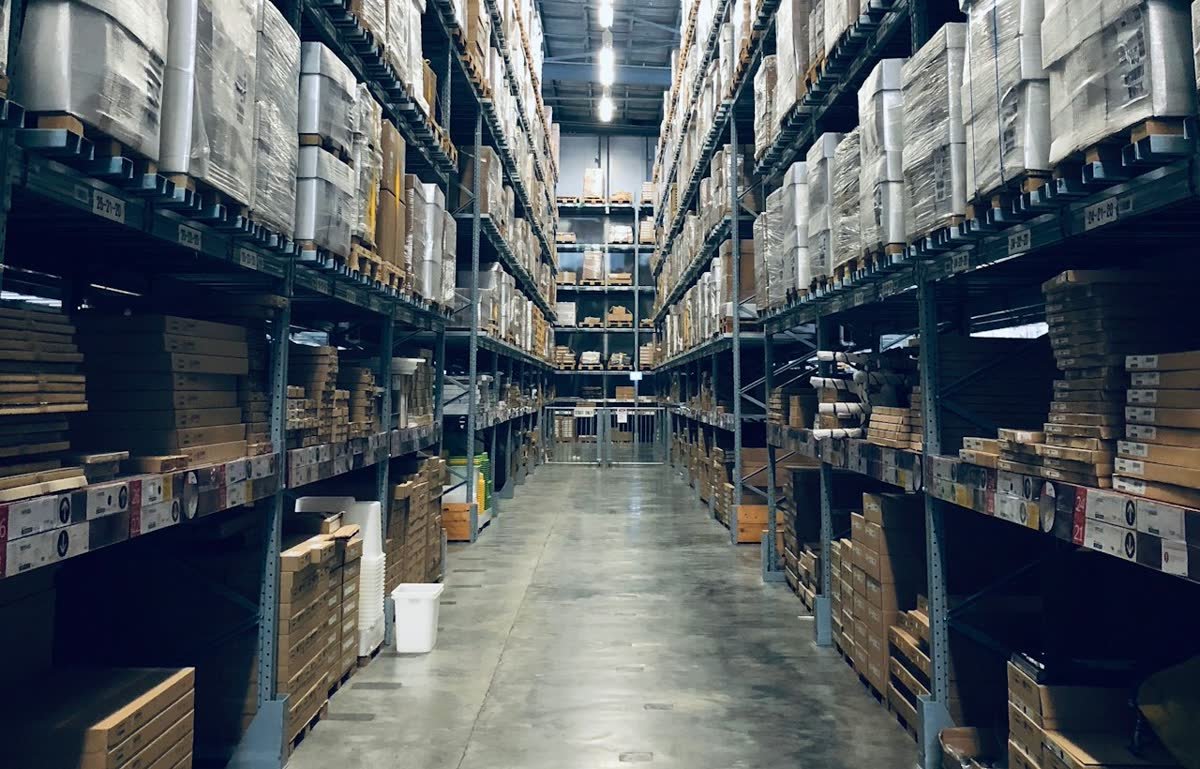
You are looking for things a rate card cannot express: whether the aisles are navigable, whether pick paths make sense, whether returns are being processed or accumulating, whether the people on the floor seem to know what they are doing, and whether the building is at 60% capacity or 95%. A warehouse running at 95% has no room to absorb your growth, and no room to absorb a bad week.
How to weight all this
Cost matters. It is simply the most visible variable, so it tends to dominate a decision it should inform.
The costs that end up mattering more are the ones that do not appear on the rate card at all: the hours your team spends chasing exceptions, the sales lost to inventory that was received slowly, the customers who do not return after a mis-ship, and the cost of moving again in eighteen months. Ask the questions above and you will have a much better sense of which provider will generate those costs and which will not.